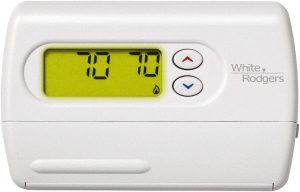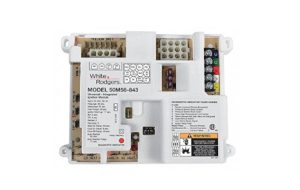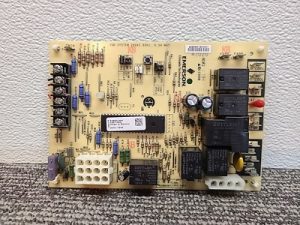
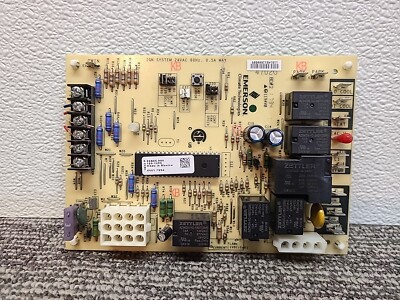
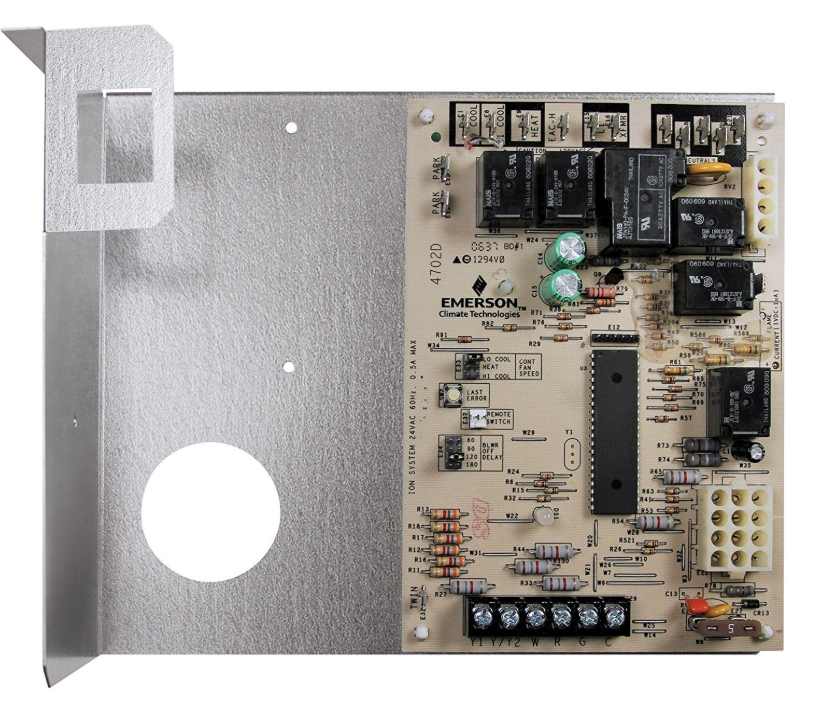
White-Rodgers 50A56-956 White Rodgers Replacement Kit for York Single Stage Integrated Furnace Control
- Selectable continuous fan speed
- System diagnostic led with fault recall
- Twin
- Third fan speed
- Two-stage cooling Y2 input
$74.26
As I sit in my comfortably heated home on this chilly winter evening, I can’t help but reflect on how different things were just a few weeks ago. That bone-chilling night when my furnace decided to give up and leave my family shivering under layers of blankets seems like a distant memory now. What changed? The White Rodgers 50A56-956 ignition control module – a small component that made all the difference between frigid discomfort and the cozy warmth I’m enjoying right now.
I’m not a professional HVAC technician, but after my recent experience with furnace troubles, I’ve become somewhat of an enthusiast when it comes to understanding how these systems work. So grab a hot drink, settle in, and let me share with you everything I’ve learned about this remarkable little device that might just save you from your own heating emergency someday.
What Exactly Is the White Rodgers 50A56-956 Ignition Control Module?
Before my furnace breakdown, I had no idea what an ignition control module even was. Now I understand that it’s essentially the brain of your furnace’s ignition system. The White Rodgers 50A56-956 is a universal replacement ignition control board that manages the entire sequence of operations needed to safely ignite your furnace and keep it running efficiently.
This small but mighty electronic component is responsible for monitoring and controlling the ignition process in gas furnaces. It ensures that gas is only released when conditions are safe for ignition, and it constantly monitors various safety parameters while your heating system is running. Think of it as the vigilant guardian of your heating system, always watching to make sure everything operates safely and efficiently.
The 50A56-956 is manufactured by White Rodgers, a division of Emerson Electric Co., which has been a trusted name in the HVAC industry for decades. Their reputation for quality and reliability is one of the reasons this particular model has become so popular among both professionals and DIY homeowners like myself.
The Inner Workings: How Does the White Rodgers 50A56-956 Function?
Understanding how this device works gave me a new appreciation for the complexity behind the simple act of heating our homes. The White Rodgers 50A56-956 is the central command center that orchestrates the precise timing and sequencing required for safe and efficient furnace operation.
When your thermostat calls for heat, the 50A56-956 springs into action, following a carefully programmed sequence:
- First, it activates the draft inducer motor, which creates negative pressure to safely vent combustion gases.
- Next, it monitors the pressure switch to confirm proper venting is occurring.
- Then, it energizes the hot surface igniter or spark igniter (depending on your furnace type).
- Once the igniter is hot enough, it opens the gas valve to allow fuel flow.
- It verifies that flame has been established by detecting the flame’s electrical properties.
- If all goes well, it then activates the main blower to circulate warm air throughout your home.
- Throughout operation, it continuously monitors safety switches and flame presence.
What impressed me most was the module’s ability to attempt multiple ignition cycles if the first one fails, and its automatic shutdown feature if it detects any unsafe conditions. This sophisticated sequence happens in seconds, and most of us never give it a second thought—until something goes wrong.
Standout Features That Make the 50A56-956 Worth Considering
After researching various ignition control modules, I found that the White Rodgers 50A56-956 offers several features that set it apart from the competition:
Universal Compatibility
One of the most impressive aspects of this module is its wide compatibility. It works with numerous furnace brands and models, making it a versatile replacement option. Whether you have a Carrier, Trane, Lennox, or other major brand, there’s a good chance this module will work for your system.
Diagnostic LED Indicators
The built-in diagnostic LED system is a game-changer for troubleshooting. These small lights blink in specific patterns to indicate different status conditions or error codes. This feature alone saved me hours of frustration by pinpointing exactly what was wrong with my system.
Multiple Ignition Trials
Unlike some cheaper modules that give up after a single failed ignition attempt, the 50A56-956 makes multiple tries before going into lockout mode. This persistence means fewer nuisance shutdowns during marginal operating conditions.
Prepurge and Postpurge Cycles
Safety is clearly a priority in the design. The module runs a prepurge cycle to clear any residual gas before ignition and a postpurge cycle after shutdown. These features significantly reduce the risk of gas buildup and potential hazards.
Robust Construction
The unit is built to last, with high-quality components designed to withstand the electrical and thermal stresses of furnace operation. The sealed design helps protect sensitive electronics from dust and moisture, which are common in furnace environments.
Self-Diagnostic Capabilities
Beyond just the LED indicators, the module performs continuous self-diagnostics during operation. This proactive monitoring helps catch potential issues before they lead to complete system failure.
Installation Guide: Getting Your 50A56-956 Up and Running
When my original ignition control failed, I considered calling a professional but ultimately decided to tackle the installation myself. If you’re reasonably handy and comfortable working with electrical components, replacing your ignition control module with the White Rodgers 50A56-956 is quite doable. Here’s the process I followed:
Safety First!
Before doing anything, I turned off power to the furnace at both the service switch and the circuit breaker. I also shut off the gas supply. Safety cannot be overstated when working with gas appliances.
Accessing the Existing Module
After removing the furnace access panels, I located the existing ignition control module. It’s typically mounted inside the control compartment and has multiple wire harnesses connected to it.
Documentation Is Your Friend
Before disconnecting anything, I took clear photos of all wire connections with my smartphone and made detailed notes about where each wire was connected. This step saved me enormous headaches later.
Careful Removal
I carefully disconnected each wire connector, labeling them if they weren’t already color-coded. Then I removed the mounting screws and took out the old module.
Installation Preparation
Before installing the new 50A56-956, I compared it with my old unit to verify compatibility and identify any differences in terminal layouts. The White Rodgers module came with clear instructions and a terminal identification chart that proved invaluable.
Mounting and Wiring
I mounted the new module in the same location as the old one, then connected each wire to its corresponding terminal. The module’s clearly labeled terminals made this process straightforward, though I still double-checked against my photos.
Testing the Installation
After restoring power and gas, I set my thermostat to call for heat and watched the ignition sequence. The module’s diagnostic LEDs helped confirm that each stage was operating correctly.
The entire process took me about an hour, and the satisfaction of solving the problem myself was well worth it. However, if you’re not comfortable with any aspect of this process, please consult a professional technician. Safety should always be your priority when dealing with gas appliances.
Deciphering the Wiring Diagram for the White Rodgers 50A56-956
The wiring diagram for the White Rodgers 50A56-956 initially looked like hieroglyphics to me, but after some study, I began to understand the logic behind it. The module features several key connection points:
- LINE: Connects to the 24V power supply
- XFMR: Transformer connection
- EAC: Electronic air cleaner connection
- PARK: Terminal for the unused motor speed taps
- COOL: Air conditioning blower speed connection
- HEAT: Heating blower speed connection
- IGNITOR: Connection for the hot surface igniter or spark igniter
- IND/HSI: Inducer motor connection
- GAS VALVE: Connection for the gas valve solenoid
- TH: Thermostat “heat” signal connection
- TR: Thermostat return connection
- FLAME SENSOR: Connection for the flame sensing rod
The diagram also shows the sequence timing for each stage of operation and the safety circuits that must be satisfied for operation to continue. I found that following the wiring diagram precisely was critical for proper operation, and any deviation could result in erratic performance or safety shutdowns.
Troubleshooting Like a Pro: Solving Common 50A56-956 Issues
Even the best ignition control modules can experience issues. During my research and through conversations with HVAC professionals, I learned about several common problems and their solutions:
Module Won’t Power Up
If the diagnostic LEDs don’t light up at all, check:
- Power to the furnace
- Transformer output (should be 24V)
- Blown fuses on the control board
- Loose wire connections
Ignition Failure
If the module attempts ignition but fails to establish flame:
- Inspect the igniter for cracks or damage
- Check gas valve operation
- Verify proper gas pressure
- Clean or replace the flame sensor
Short Cycling
If your furnace starts but shuts down prematurely:
- Look for weak flame signal (dirty flame sensor)
- Check for proper airflow (dirty filters, blocked vents)
- Verify proper thermostat operation
- Inspect pressure switch function
Error Code Interpretation
The blinking LED patterns on the 50A56-956 correspond to specific error codes. For example:
- One flash: Normal operation
- Two flashes: Pressure switch stuck closed
- Three flashes: Pressure switch stuck open
- Four flashes: Open high limit switch
- Five flashes: Flame detected when none should be present
- Six flashes: Ignition lockout (failed ignition attempts)
- Seven flashes: Gas valve circuit error
- Eight flashes: Low flame signal
Learning to read these codes transformed my troubleshooting abilities from guesswork to precision.
Compatibility Check: Will the 50A56-956 Work with Your System?
One of the biggest selling points of the White Rodgers 50A56-956 is its universal compatibility, but it’s still important to verify that it will work with your specific furnace. The module is designed to replace a wide range of OEM control boards, including:
- White Rodgers 50A50-110, 50A50-111, 50A50-112, 50A50-113, 50A50-130, 50A50-131, 50A50-142, 50A50-143, 50A50-205, 50A50-206, 50A50-207, 50A50-208, 50A50-209, 50A50-210, 50A50-215, 50A50-216, 50A50-229, 50A50-230, 50A50-240, 50A50-241, 50A50-245, 50A50-285, 50A50-286, 50A50-288, 50A50-295, 50A50-296, 50A50-298, 50A55-143, 50A55-288, 50A55-289, 50A55-290, 50A55-295, 50A55-743, 50A55-2038
- Rheem/Ruud 62-22737-02, 62-22737-03, 62-22737-04, 62-24044-01, 62-24044-02
- York 031-01234-000, 031-01234-001, 031-01266-000, 031-01266-001, 031-01266-002, 031-01266-700, 031-01266-701, 031-02954-000, S1-33102956000
- And many others
The module works with most 24VAC single-stage heating systems that use hot surface igniters or spark igniters. However, it’s not compatible with direct spark ignition systems or furnaces that use intermittent pilot ignition.
Before purchasing, I recommend checking your existing module’s model number against the compatibility list provided by White Rodgers, or consulting with an HVAC professional if you’re uncertain.
Where to Buy and What to Expect Price-Wise
When my furnace failed, I needed a replacement quickly. I found the White Rodgers 50A56-956 available through several channels:
HVAC Supply Houses
These specialty suppliers often carry the module and can provide expert advice, but they sometimes cater primarily to professionals and may charge higher prices.
Online Retailers
Amazon, eBay, and specialty HVAC websites all carried the 50A56-956. I found the best combination of price, shipping speed, and return policy through Amazon, where the module typically sells for between $85-$120 depending on sales and promotions.
Big Box Home Improvement Stores
Stores like Home Depot and Lowe’s sometimes carry this module, though availability can be spotty. Their prices were generally competitive with online retailers.
Direct from Manufacturer
White Rodgers sells through authorized distributors, and while you might not save money buying directly, you can be confident you’re getting a genuine part.
Price-wise, expect to pay anywhere from $85 to $150 for a new, genuine White Rodgers 50A56-956. I found that prices varied significantly, so it’s worth shopping around. Just be wary of suspiciously low-priced units that might be counterfeit or refurbished.
Resetting the White Rodgers 50A56-956: Simple but Effective
There may come a time when you need to reset your ignition control module. Perhaps it’s gone into lockout mode after failed ignition attempts, or you’re troubleshooting an issue. The reset process is straightforward:
- Turn off power to the furnace at the circuit breaker or service switch.
- Wait at least 30 seconds to ensure all residual power has dissipated.
- Restore power to the furnace.
- Set your thermostat to call for heat.
- Observe the ignition sequence to verify proper operation.
This simple power cycle is often all that’s needed to clear lockout conditions and get your system running again. However, if the module frequently requires resetting, this indicates an underlying problem that should be addressed.
Common Reasons Why Your 50A56-956 Might Not Be Working
During my research, I identified several common causes of 50A56-956 failures or malfunctions:
Power Supply Issues
Inconsistent or improper voltage can damage the module. The 50A56-956 requires a stable 24VAC power supply, and voltage fluctuations can cause erratic behavior or outright failure.
Improper Grounding
Good electrical grounding is essential for proper operation. Poor grounding can lead to erratic behavior, premature component failure, and safety risks.
Environmental Factors
Excessive heat, moisture, or dust can all compromise the module’s performance. The 50A56-956 is designed to operate in the conditions typically found in furnace cabinets, but extreme conditions can still cause problems.
Age and Wear
Like all electronic components, ignition control modules have a finite lifespan. Most quality modules like the 50A56-956 should last 10-15 years under normal conditions, but factors like frequent cycling can reduce this.
Surge Damage
Power surges from lightning strikes or grid issues can damage sensitive electronics. If you live in an area prone to electrical storms, consider additional surge protection for your HVAC system.
Decoding and Fixing Error Codes
The diagnostic capabilities of the White Rodgers 50A56-956 are one of its strongest features. Here’s a more detailed breakdown of what the error codes mean and how to address them:
Normal Operation (One Flash)
This indicates the system is functioning properly. No action needed.
Pressure Switch Stuck Closed (Two Flashes)
- Check for faulty pressure switch
- Look for blocked pressure switch hose
- Verify inducer motor operation
Pressure Switch Stuck Open (Three Flashes)
- Inspect for blocked venting
- Check for blocked condensate drain (in high-efficiency furnaces)
- Verify inducer motor operation
- Test pressure switch with multimeter
Open High Limit Switch (Four Flashes)
- Check for restricted airflow (dirty filters, closed vents)
- Verify blower operation
- Inspect for blocked heat exchangers
- Reset or replace limit switch if necessary
Flame Detected When None Should Be Present (Five Flashes)
- Check for faulty gas valve that’s leaking gas
- Verify flame sensor is clean and properly positioned
- Inspect for shorts in flame sensor wiring
Ignition Lockout (Six Flashes)
- Check gas supply and pressure
- Inspect igniter for damage
- Verify proper grounding
- Clean flame sensor with fine sandpaper
Gas Valve Circuit Error (Seven Flashes)
- Check gas valve wiring
- Verify gas valve solenoid operation
- Test gas valve with multimeter
Low Flame Signal (Eight Flashes)
- Clean flame sensor with fine steel wool or sandpaper
- Check flame sensor positioning
- Verify proper furnace grounding
- Inspect for cracks in heat exchanger
Understanding these codes turned me from a helpless homeowner into an informed troubleshooter, capable of either fixing simple issues myself or communicating more effectively with professionals when their expertise was needed.
Testing the 50A56-956 for Faults
If you suspect your module is malfunctioning, there are several tests you can perform:
Visual Inspection
Look for obvious signs of damage like burned components, bulging capacitors, or discoloration on the circuit board.
LED Diagnostics
The built-in diagnostic LEDs are your first troubleshooting tool. Observe the flash patterns during operation and refer to the error code guide.
Voltage Testing
Using a multimeter, you can test:
- Input voltage (should be 24VAC)
- Output voltage to igniter during ignition sequence
- Output voltage to gas valve when called to open
Continuity Testing
With power off, check for continuity across suspicious connections or components to identify breaks in circuits.
Resistance Testing
Measure the resistance across various components to identify shorts or opens that might not be visible.
I found that these basic electrical tests, combined with the module’s own diagnostic features, were sufficient to identify most issues. For complex problems, consult a professional technician who has specialized testing equipment.
The 50A56-956 vs. Other Ignition Control Modules: A Comparison
What makes the White Rodgers 50A56-956 stand out in a market full of ignition control modules? I compared it with several competitors and found several key differences:
Universal Application
While many modules are designed for specific furnace models, the 50A56-956 is engineered to replace dozens of OEM modules across multiple brands. This universality makes it an excellent choice for both homeowners and technicians.
Diagnostic Capabilities
Some basic ignition controls offer limited or no diagnostic feedback. The 50A56-956’s eight distinct error codes provide specific information that dramatically simplifies troubleshooting.
Build Quality
The 50A56-956 uses high-quality components and design elements that contribute to its reliability and longevity. The sealed board design helps protect against environmental factors that can damage electronics.
Safety Features
While all ignition controls include basic safety functions, the 50A56-956 incorporates multiple layers of protection:
- Gas valve verification
- Flame rectification monitoring
- Multiple safety timing sequences
- Automatic system lockout for persistent failures
Price-to-Performance Ratio
At its price point, the 50A56-956 offers exceptional value. Less expensive modules typically lack the diagnostic features, universal compatibility, or reliability, while more expensive units often don’t provide significant additional benefits for most applications.
Furnace Brand Compatibility: Will It Work For You?
The White Rodgers 50A56-956 is designed to work with a wide range of furnace brands, including:
- Carrier
- Bryant
- Payne
- Trane
- American Standard
- Rheem
- Ruud
- York
- Coleman
- Luxaire
- Goodman
- Amana
- Lennox
- Armstrong
- Ducane
- And many others
However, compatibility depends not just on the brand but on the specific model and ignition system type. The 50A56-956 works with furnaces that use:
- Hot surface ignition systems
- Intermittent spark ignition systems
- Single-stage gas valves
- 24VAC control systems
It’s not compatible with:
- Direct spark ignition to main burners
- Two-stage or modulating gas systems (without additional components)
- Millivolt systems used in some older furnaces
- Furnaces with proprietary communication protocols
When in doubt, compare the model number of your existing control with the compatibility list, or consult a professional HVAC technician.
Step-by-Step Replacement Guide
Based on my own experience replacing my ignition control module, here’s a detailed walkthrough:
Tools and Materials Needed:
- Screwdriver set (typically Phillips and flat-head)
- Needle-nose pliers
- Wire cutters/strippers (just in case)
- Electrical tape
- Camera or smartphone for taking reference photos
- The new White Rodgers 50A56-956 module
Replacement Steps:
- Safety Preparations
- Turn off power to the furnace at both the service switch and circuit breaker
- Shut off the gas supply valve
- Allow time for components to cool if the furnace has been running
- Access the Control Compartment
- Remove the furnace access panels
- Locate the existing ignition control module
- Document the Current Setup
- Take clear photos of all wire connections from multiple angles
- Note the position and orientation of the existing module
- Make notes about any unique connections or features
- Remove the Old Module
- Carefully disconnect each wire, one at a time
- Label any wires that aren’t clearly color-coded
- Remove mounting screws and extract the old module
- Prepare the New Module
- Unpack the White Rodgers 50A56-956
- Review the included wiring diagram
- Compare terminal layouts between old and new modules
- Set any DIP switches or jumpers according to the instructions
- Install the New Module
- Mount the 50A56-956 in the same position as the old module
- Secure with the appropriate screws
- Connect the Wiring
- Following your documentation and the wiring diagram, connect each wire to its corresponding terminal
- Ensure connections are tight and secure
- Double-check each connection against your photos
- Reassembly and Testing
- Replace any components that were moved during the installation
- Restore gas supply
- Restore electrical power
- Set thermostat to call for heat
- Observe the ignition sequence and verify proper operation
- Watch for the normal operation indicator (single flash) on the diagnostic LED
- Final Checks
- Listen for unusual noises
- Verify that the blower activates after ignition
- Check that heat is being distributed throughout your home
- Monitor the first few cycles to ensure consistent operation
The entire process typically takes 45-90 minutes, depending on your familiarity with furnace components and the accessibility of your existing module.
Safety Features: Your Silent Protector
One aspect of the White Rodgers 50A56-956 that particularly impressed me was its comprehensive safety features. Modern furnaces contain potentially dangerous elements—gas, electricity, and high temperatures—and the ignition control module serves as a critical safety guardian.
The 50A56-956 incorporates multiple safety mechanisms:
Gas Control Verification
Before allowing ignition, the module verifies that the gas valve is functioning properly and not stuck in an open position.
Ignition Validation
The module confirms successful ignition by detecting the electrical properties of the flame. If no flame is detected after ignition attempts, it shuts down the gas supply.
Limit Switch Monitoring
The module continuously monitors high-temperature limit switches. If temperatures exceed safe levels, it immediately shuts down the system.
Pressure Switch Verification
By monitoring the pressure switch, the module ensures proper venting of combustion gases, protecting against the potential buildup of dangerous carbon monoxide.
Watchdog Timer Functions
Internal timing circuits prevent unsafe conditions by limiting how long the gas valve can remain open without confirmed ignition.
Automatic Lockout
After multiple failed ignition attempts, the system enters a lockout mode that requires manual intervention, preventing continuous unsafe ignition attempts.
These safety features operate silently in the background, but they’re constantly working to protect your home and family from potential hazards. It’s reassuring to know that this small electronic component is doing so much to ensure safe operation of your heating system.
Finding the User Manual: Knowledge at Your Fingertips
Having access to the user manual for the White Rodgers 50A56-956 proved invaluable during my installation and troubleshooting. Here’s where you can find this essential document:
Included in the Package
A basic installation guide and wiring diagram should be included with every new 50A56-956 module.
Manufacturer’s Website
The complete technical documentation can be downloaded from the White Rodgers/Emerson website. Search for “50A56-956 installation guide” or “50A56-956 technical documentation.”
HVAC Forums and Resources
Many HVAC professional forums and DIY communities have archived copies of the manual and additional information about this popular module.
Contacting Customer Support
White Rodgers customer service can provide documentation via email if you’re unable to locate it through other channels.
The manual contains detailed information about:
- Compatible systems
- Proper wiring configurations
- DIP switch settings
- Detailed error code interpretations
- Troubleshooting procedures
- Technical specifications
I strongly recommend downloading and saving a copy of this documentation, even if you’re having a professional handle the installation. The troubleshooting information alone is worth having on hand for future reference.
Maintenance Tips: Keeping Your Module in Peak Condition
While the White Rodgers 50A56-956 requires minimal maintenance, there are steps you can take to ensure its long-term reliability:
Keep It Clean
Dust and debris can cause overheating and premature failure. During annual furnace maintenance, have the control compartment cleaned with compressed air or a soft brush.
Protect from Moisture
Excessive humidity can damage electronic components. If your furnace is located in a damp area, consider using a dehumidifier or ensuring proper ventilation.
Check Connections Periodically
Vibration from furnace operation can gradually loosen wire connections. Having a technician check and tighten connections during annual maintenance can prevent intermittent problems.
Monitor Performance
Pay attention to how your furnace operates. Changes in the ignition sequence, unusual delays, or frequent resets can indicate developing issues with the control module.
Surge Protection
Consider adding surge protection to your HVAC system, especially if you live in an area prone to electrical storms or power fluctuations.
Regular maintenance not only extends the life of your ignition control module but also helps ensure the safe and efficient operation of your entire heating system.
Technical Specifications: The Numbers Behind the Performance
For those who appreciate the technical details, here are the specifications for the White Rodgers 50A56-956:
Electrical Specifications
- Input Voltage: 18-30 VAC, 24 VAC nominal
- Frequency: 50/60 Hz
- Current Draw: 0.2 A plus load
- Maximum Load Ratings:
- Inducer: 2.2 FLA, 3.5 LRA @ 120 VAC
- Ignitor: 4.5 A @ 120 VAC
- Gas Valve: 1.5 A @ 24 VAC
- Circulator: 14.5 FLA, 25.0 LRA @ 120 VAC
- Electronic Air Cleaner: 1.0 A @ 120 VAC
Timing Specifications
- Pre-purge Time: 15 seconds
- Igniter Warm-up Time: 17 seconds
- Trial for Ignition: 4 seconds
- Retries: 2 times
- Inter-purge Time: 60 seconds
- Post-purge Time: 15 seconds
- Lockout Time: 60 minutes
- Heat Delay-to-Fan-On: 30 seconds
- Heat Delay-to-Fan-Off: 90/150 seconds (selectable)
- Cool Delay-to-Fan-On: 2 seconds
- Cool Delay-to-Fan-Off: 45 seconds
Environmental Specifications
- Operating Temperature: -40°F to +175°F (-40°C to +80°C)
- Storage Temperature: -40°F to +185°F (-40°C to +85°C)
- Humidity: 5% to 95% relative humidity, non-condensing
Physical Specifications
- Dimensions: Approximately 5″ x 7″ x 1″
- Mounting: Four corner mounting holes
- Connections: Quick-connect terminals
These technical specifications highlight the robust design and versatility of the 50A56-956, explaining why it has become such a popular choice for both original equipment manufacturers and replacement applications.
Final Thoughts: Is the White Rodgers 50A56-956 Right for You?
After my journey from furnace failure to successful repair, I’ve developed a genuine appreciation for the White Rodgers 50A56-956 ignition control module. Its combination of reliability, diagnostic capabilities, and universal compatibility makes it an excellent choice for many homeowners facing ignition control issues.
The decision to replace your ignition control module—and whether to do it yourself or hire a professional—depends on several factors:
Consider the 50A56-956 if:
- Your existing module has failed or is showing signs of imminent failure
- You want improved diagnostic capabilities compared to your original equipment
- You’re looking for a reliable replacement with wide compatibility
- Your furnace uses a hot surface igniter or spark ignition system
- You value safety features and reliable performance
DIY installation might be appropriate if:
- You have basic electrical knowledge and are comfortable following wiring diagrams
- You can take proper safety precautions when working with gas appliances
- You have the tools and ability to access your furnace’s control compartment
- You’re willing to thoroughly research and follow installation instructions
Professional installation is recommended if:
- You’re uncomfortable working with electrical components
- Your furnace is in a difficult-to-access location
- You want the peace of mind of professional expertise
- Your system has additional complexities beyond basic furnace operation
Whatever path you choose, the White Rodgers 50A56-956 provides a solid foundation for reliable furnace operation. Its thoughtful design, comprehensive safety features, and diagnostic capabilities make it one of the best options available for homeowners facing ignition control issues.
As I sit here in my comfortably heated home, I’m grateful for the knowledge I’ve gained through this experience—and for the reliable performance of this small but critical component that keeps the winter chill at bay. I hope sharing my experience helps you make an informed decision about your own heating system needs.