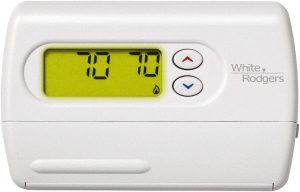
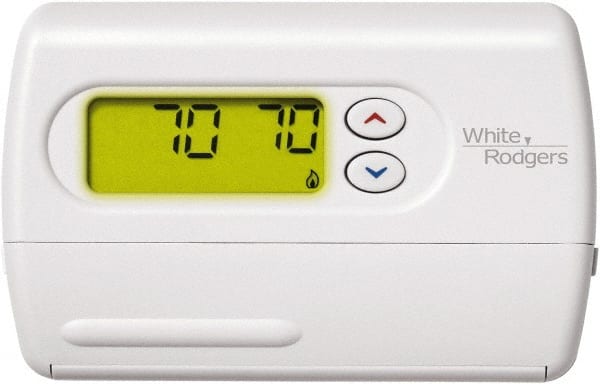
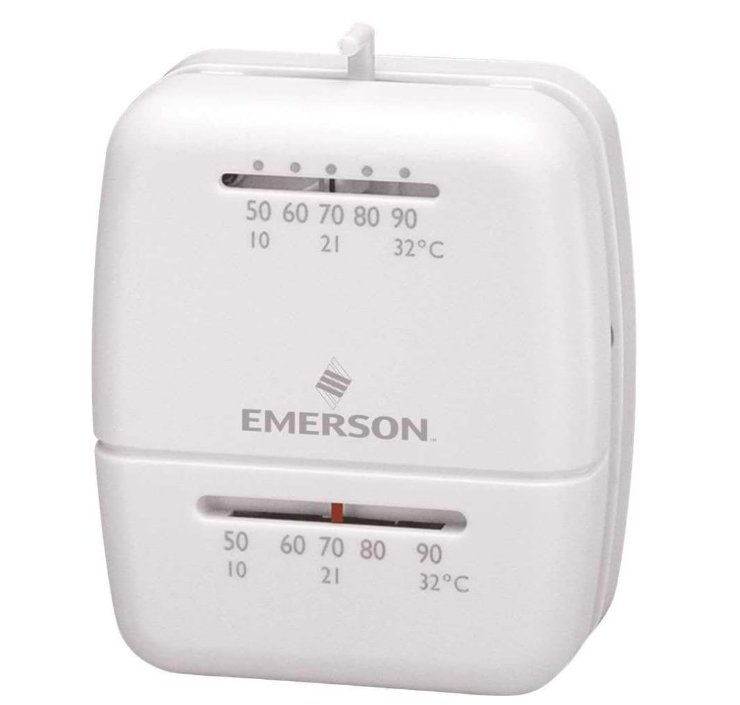
White Rodgers 1C20-101 Economy 24 Volt/Millivolt Heat Thermostat
- Heat Only Thermostat
- Mercury-free mechanical thermostat
- Features rugged snap-action contacts, adjustable heat anticipator and bimetal thermometer
- For use on single-stage heat only systems
$24.99
When the cold weather hits, there’s nothing quite like the reassuring warmth of a reliable heating system. After spending years in the HVAC industry and experiencing my fair share of winter emergencies, I’ve developed a deep appreciation for quality heating equipment – particularly White Rodgers systems. Whether you’re replacing an aging unit or selecting a heating system for a new home, this comprehensive guide will walk you through everything you need to know about White Rodgers heaters.
As someone who’s installed, repaired, and lived with these systems, I’m excited to share my insights and help you make an informed decision. Let’s dive into the world of White Rodgers heating solutions!
Understanding White Rodgers Heaters: The Basics
White Rodgers has been a trusted name in the heating industry for decades, and for good reason. Before we get into the nitty-gritty details of models and maintenance, let’s start with the fundamentals.
White Rodgers primarily manufactures heating controls and components rather than complete heating systems. The brand, now part of Emerson Electric, specializes in thermostats, control boards, ignition systems, and other crucial parts that regulate how your heating system functions. When people refer to a “White Rodgers heater,” they’re typically talking about a heating system that incorporates White Rodgers control components.
These components are the brain of your heating system, controlling when it turns on and off, regulating temperature, and ensuring safe operation. I’ve found that homes equipped with White Rodgers components often enjoy more precise temperature control and reliable performance, which explains their popularity among HVAC professionals like myself.
How White Rodgers Heating Systems Work
The operation of a White Rodgers heating system is fascinating in its elegance. At the heart of the system is the thermostat, which serves as the command center. When the temperature in your home drops below your set point, the thermostat sends a signal to the control board.
The control board then initiates the heating sequence: first activating the draft inducer motor to vent any lingering gas, then opening the gas valve while simultaneously triggering the ignition system. Once the burners are lit and the heat exchanger warms up, the blower motor kicks in to distribute that wonderful warm air throughout your home.
What makes White Rodgers components special is their precision and reliability in this sequence. The quality of your heating system’s control components can make the difference between a comfortable home and constant temperature fluctuations or system failures. I’ve seen this firsthand in countless homes during my service calls – systems with quality controls simply perform better and last longer.
Choosing the Right White Rodgers Heater Components
When it’s time to select White Rodgers components for your heating system, several factors come into play. Let’s break down what you should consider:
Thermostats: The Command Center
White Rodgers offers a diverse range of thermostats, from basic mechanical models to sophisticated programmable and smart options. Here’s how I typically categorize them for my clients:
- Basic Mechanical Thermostats: Simple, reliable, and perfect for those who prefer a no-frills approach. These typically cost between $20-$50 and require no programming or batteries. I recommend these for rental properties or for elderly users who might find digital interfaces challenging.
- Digital Non-Programmable Thermostats: Offering more precise temperature control with an easy-to-read display, these are a step up from mechanical models without adding complexity. Price range: $40-$80.
- Programmable Thermostats: These allow you to set different temperatures for different times of day, potentially saving 10-15% on your heating bills. Available in 5-2 day, 5-1-1 day, and 7-day programming options, they typically range from $80-$150.
- Smart Thermostats: The premium option, allowing remote control via smartphone and often learning your preferences over time. White Rodgers’ Sensi line of smart thermostats is particularly impressive, with prices ranging from $130-$250.
I installed a White Rodgers Sensi Touch in my own home last year, and the convenience of adjusting the temperature from my phone while lying in bed has been worth every penny!
Control Boards: The Brain of Your System
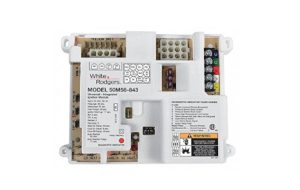
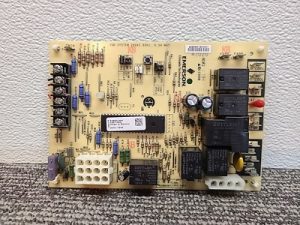
Control boards are the unsung heroes of your heating system. They coordinate all the components and ensure safe operation. When selecting a replacement control board, compatibility is key. White Rodgers offers universal replacement boards that work with multiple systems, as well as exact replacements for specific models.
Price ranges for control boards typically fall between $75-$300 depending on complexity and features. I always advise my clients that this is one area where you don’t want to cut corners – a quality control board is essential for reliable heating and safety.
Ignition Controls: The Spark of Life
White Rodgers manufactures several types of ignition controls:
- Hot Surface Ignitors: These glow hot to ignite the gas directly. They’re reliable but do wear out eventually.
- Intermittent Pilot Ignition: These systems use a small pilot flame that’s only lit when heating is needed.
- Direct Spark Ignition: An electric spark ignites the gas directly.
Each has its advantages, but I’ve found hot surface ignitors to be the most common and generally reliable option in modern systems. Replacement costs range from $40-$100 depending on your specific model.
Top White Rodgers Heater Components for Home Use
Based on my experience installing and servicing hundreds of systems, here are my top recommendations for White Rodgers components:
Best Thermostats
- White Rodgers Sensi Touch Smart Thermostat: My top recommendation for most homeowners. The touchscreen interface is intuitive, the app works flawlessly, and it integrates with most smart home platforms. It’s priced around $169, which I consider excellent value for the features.
- White Rodgers 1F86-344 Non-Programmable Thermostat: For those who want simplicity without sacrificing quality. At around $45, it offers reliable temperature control without complicated programming.
- White Rodgers 1F85U-42PR Programmable Thermostat: A mid-range option with 7-day programming and temporary temperature override. At approximately $89, it strikes a nice balance between features and affordability.
Best Control Boards
- White Rodgers 50A55-843 Universal Ignition Module: This versatile control board works with numerous furnace models and offers excellent reliability. Priced around $130, it’s been my go-to recommendation for replacements.
- White Rodgers 50M56U-843 Universal Hot Surface Ignition Module: Another universal option that I’ve found works exceptionally well across various systems. Typically costs around $180.
Remember that the “best” component ultimately depends on your specific heating system and needs. I always recommend consulting with an HVAC professional before making a final decision, especially for control boards and ignition systems.
Installation Guide: DIY or Professional?
One question I frequently receive is whether homeowners should install White Rodgers components themselves or hire a professional. Here’s my honest assessment:
Thermostat Installation
This is one area where a confident DIYer can often succeed. Basic thermostat installation typically involves:
- Turning off power to your heating system at the breaker
- Removing the old thermostat faceplate and noting the wire connections
- Disconnecting and removing the old mounting plate
- Installing the new mounting plate
- Connecting the wires to the corresponding terminals
- Attaching the new thermostat faceplate
- Restoring power and testing
The most crucial part is correctly identifying and connecting the wires. White Rodgers thermostats come with clear instructions, and many include labels for your existing wires. If you’re comfortable with basic electrical work and following instructions, this is a reasonable DIY project that typically takes 30-60 minutes.
I’ve walked numerous friends through this process over the phone, and most succeed without issues. Just be sure to take photos of your existing wiring before disconnecting anything!
Control Board and Ignition System Replacement
Here’s where I strongly recommend professional installation. These components directly affect the safety of your heating system, and improper installation can create fire hazards or carbon monoxide risks. Additionally, installing these components requires:
- Detailed knowledge of your specific heating system
- Understanding of electrical wiring and gas controls
- Proper testing equipment to verify safe operation
- Knowledge of local codes and regulations
When I replace a control board, I typically spend 1-2 hours not just on the installation but on thorough testing to ensure everything is operating safely. The cost of professional installation ($150-$300 in most areas) is well worth the peace of mind.
Troubleshooting Common White Rodgers Heater Issues
Even the best heating systems occasionally encounter problems. Here are the most common issues I see with systems using White Rodgers components, along with troubleshooting steps:
Heater Not Turning On
This is perhaps the most common complaint, especially at the beginning of the heating season. When your White Rodgers-controlled heating system won’t start, check these potential causes:
- Thermostat Issues: Verify the thermostat is set to “Heat” and the temperature setting is above the current room temperature. Check for blank displays (indicating dead batteries in some models) or error codes.
- Power Problems: Check that the system’s power switch is on and that the circuit breaker hasn’t tripped. Many systems also have a separate disconnect switch near the unit.
- Ignition Failure: Modern systems typically attempt ignition three times before locking out for safety. If you hear clicking but the system never fully starts, you may have an ignition problem.
- Flame Sensor Issues: A dirty flame sensor can prevent the system from staying lit. This appears as the system starting briefly but then shutting down within seconds.
- Pressure Switch Problems: If the draft inducer runs but the system never ignites, a pressure switch may not be closing properly.
I recently troubleshot a system that wouldn’t start and discovered the issue was simply that the homeowner’s child had switched the thermostat to “Cool” mode! Always check the simple things first.
Inconsistent Heating
If your home experiences temperature fluctuations or the system cycles too frequently:
- Thermostat Location: Check if your thermostat is exposed to drafts, sunlight, or heat sources that could affect its reading.
- Calibration Issues: Some older White Rodgers thermostats may need recalibration. Consult your model’s manual for instructions.
- Anticipator Settings: Mechanical thermostats have an anticipator that may need adjustment if the system cycles too frequently.
- Dirty Filters: Restricted airflow from dirty filters can cause the system to overheat and shut down prematurely.
The fix can be as simple as relocating your thermostat or as involved as replacing components. I once solved a homeowner’s persistent comfort complaints simply by moving their thermostat away from a drafty window!
System Lockouts
Modern White Rodgers control boards include safety features that will “lock out” the system if they detect potentially unsafe conditions. Common causes include:
- Multiple Failed Ignition Attempts: The control board will typically lock out after three failed ignition attempts.
- Overheating: High-limit switches will shut down an overheating system.
- Pressure Switch Failures: If the system can’t verify proper venting, it will refuse to operate.
- Flame Rollout: Sensors that detect flames outside the proper burn chamber will trigger an immediate shutdown.
Most lockouts require a manual reset, which typically involves turning the power off to the system for 30 seconds and then restoring power. However, recurring lockouts should never be ignored as they indicate a potentially serious problem that could affect your safety. I always advise calling a professional if lockouts happen more than once.
How to Reset a White Rodgers Heater
Resetting your heating system with White Rodgers controls varies slightly depending on the specific components:
Thermostat Reset
For most White Rodgers digital thermostats:
- Locate the reset button (often a small pinhole)
- Press and hold using a paperclip for approximately 5-10 seconds
- The display should flash or temporarily go blank
- Reprogram your settings as needed
For the Sensi smart thermostats, you can also perform a reset through the app under the settings menu.
Control Board Reset
To reset a White Rodgers control board after a lockout:
- Turn off power to the heating system at the breaker
- Wait 30 seconds to 1 minute
- Restore power
- Allow the system to go through its startup sequence
Some specific models have a dedicated reset button on the control board itself. Consult your system’s documentation for details.
I’ve found that about 80% of lockouts can be resolved with a simple reset, but persistent issues require professional diagnosis. One memorable service call involved a system that locked out repeatedly – the issue turned out to be a partially blocked chimney causing dangerous backdrafting. This illustrates why safety lockouts should be taken seriously.
Maintenance: Keeping Your White Rodgers Heater in Top Condition
Regular maintenance extends the life of your heating system and helps prevent those inconvenient mid-winter breakdowns. Here’s my recommended maintenance schedule for systems with White Rodgers components:
Monthly Maintenance (During Heating Season)
- Check and replace air filters: This simple task improves efficiency and prevents overheating. I mark my calendar to check mine on the first of every month.
- Verify thermostat operation: Make sure the actual temperature matches what’s displayed and that programmed settings are working correctly.
- Listen for unusual noises: Become familiar with how your system normally sounds so you can identify problems early.
Annual Professional Maintenance
I recommend scheduling professional maintenance in early fall, before the heating season begins. A thorough maintenance visit should include:
- Cleaning or replacing the flame sensor: A dirty flame sensor is one of the most common causes of system shutdowns.
- Checking ignition components: Hot surface ignitors degrade over time and may need replacement.
- Testing safety controls: A technician should verify that all safety switches and controls are operating properly.
- Inspecting and cleaning the blower assembly: Accumulated dirt reduces efficiency and can cause overheating.
- Checking gas pressure and combustion: Proper fuel-to-air ratio is crucial for efficient and safe operation.
I’ve seen countless expensive repairs that could have been prevented with regular maintenance. One particularly memorable case involved a homeowner who had skipped maintenance for five years – what could have been a simple flame sensor cleaning ended up requiring a complete control board replacement after the system repeatedly tried to operate with a faulty sensor.
DIY Maintenance Tasks
While some maintenance requires professional tools and knowledge, homeowners can perform several important tasks:
- Keeping the area around the heating system clean and clear: Remove stored items and dust regularly.
- Cleaning thermostat contacts: On mechanical thermostats, gently dust the contacts with a soft brush.
- Testing safety features: Most carbon monoxide detectors have a test button – use it monthly during heating season.
- Checking condensate drains: If your system has a condensate drain, verify it’s flowing freely.
My personal maintenance routine includes taking photos of my heating system when it’s working properly. This provides a useful reference if something changes or breaks down later.
Where to Buy White Rodgers Heater Components
When it’s time to purchase White Rodgers components, you have several options:
HVAC Supply Houses
These specialized suppliers cater primarily to professionals but often sell to the public as well. Advantages include:
- Staff with technical knowledge who can help ensure compatibility
- Typically stock a wider range of parts
- Often offer contractor-grade components not available in retail stores
The downside is that prices may be higher than other sources unless you’re a contractor with an account.
Home Improvement Centers
Stores like Home Depot and Lowe’s carry a selection of common White Rodgers components, particularly thermostats. Benefits include:
- Convenient locations and hours
- Competitive pricing
- Easy returns if needed
However, their selection is typically limited to popular consumer models, and staff may have limited technical knowledge.
Online Retailers
Amazon, SupplyHouse.com, and other online retailers offer extensive White Rodgers selections. Advantages include:
- Wide selection, including specialized parts
- Competitive pricing
- Customer reviews to guide decisions
- Detailed specifications available
The main disadvantage is the inability to physically examine the part before purchase and potential delays if you need the component immediately.
In my experience, the best approach is to identify exactly what you need (preferably with model numbers) before shopping, then compare prices across different sources. For thermostats, retail or online sources often offer the best value. For critical components like control boards, I prefer HVAC supply houses for their expertise and reliability.
Cost Considerations: Budget Planning for Your White Rodgers System
Understanding the costs associated with White Rodgers heating components helps you budget appropriately and avoid surprises. Here’s a breakdown of what you can expect to pay:
Component Costs
- Thermostats:
- Basic mechanical: $20-$50
- Digital non-programmable: $40-$80
- Programmable: $80-$150
- Smart thermostats: $130-$250
- Control Boards:
- Basic replacement boards: $75-$150
- Universal replacement boards: $150-$300
- Advanced control systems: $200-$400
- Ignition Components:
- Hot surface ignitors: $40-$100
- Flame sensors: $15-$50
- Complete ignition kits: $100-$200
- Gas Valves:
- Standard replacement valves: $100-$250
- Modulating valves: $200-$400
Installation Costs
If you choose professional installation, labor costs vary by region and complexity:
- Thermostat installation: $75-$150
- Control board replacement: $150-$300
- Complete system diagnostics and repair: $150-$500
Long-Term Cost Considerations
When evaluating costs, consider these factors:
- Energy Efficiency: Upgrading to a programmable or smart thermostat typically pays for itself within 1-2 years through energy savings. I’ve personally seen heating bills decrease by 12% after installing a programmable thermostat.
- Repair vs. Replace: If your system is over 15 years old, sometimes investing in a new system makes more financial sense than repairing an aging one. I advise clients to consider replacement when repair costs exceed 50% of a new system’s cost.
- Warranty Coverage: White Rodgers typically offers 1-5 year warranties on components. Professional installation often includes labor warranties that can save significantly if issues arise.
I always recommend setting aside a small “emergency fund” for heating system repairs. Even $300-$500 can cover most common repairs and prevent financial stress during a mid-winter breakdown.
The Lifespan of White Rodgers Heating Components
Understanding the typical lifespan of components helps you anticipate replacements and budget accordingly:
- Thermostats: 10-15 years for digital models; 20+ years for mechanical
- Control Boards: 8-12 years
- Hot Surface Ignitors: 3-5 years
- Flame Sensors: 5-7 years (with proper cleaning)
- Gas Valves: 10-15 years
These are averages based on my experience. Actual lifespan varies depending on usage patterns, maintenance, and environmental factors. Homes in areas with electrical instability (frequent power surges) often see shorter lifespans for electronic components like control boards.
I’ve seen well-maintained White Rodgers components last significantly longer than these averages. One memorable client had a White Rodgers mechanical thermostat that had been functioning flawlessly since 1975 – over 45 years of reliable service!
Smart Home Integration: Modernizing Your White Rodgers System
One exciting development in recent years is the integration of heating systems with smart home technology. White Rodgers has embraced this trend with their Sensi line of smart thermostats.
Smart Thermostat Benefits
- Remote Control: Adjust your heating from anywhere using a smartphone app – perfect for vacation homes or when your schedule changes unexpectedly.
- Learning Capabilities: Some models learn your preferences and automatically adjust to optimize comfort and efficiency.
- Integration with Voice Assistants: Control your heating with voice commands through Amazon Alexa, Google Assistant, or Apple HomeKit.
- Energy Reports: Track your energy usage and identify opportunities for savings.
- Smart Home Scenes: Create automated routines that adjust your heating based on other factors (like your location or time of day).
I’ve helped numerous homeowners integrate White Rodgers Sensi thermostats with their existing smart home systems. One particularly satisfying project involved setting up geofencing for an elderly client – their home now automatically warms up when they’re returning from their daughter’s house, ensuring they never come home to a cold house.
Compatibility Considerations
Before investing in smart technology, verify compatibility with your existing system. White Rodgers Sensi thermostats work with most 24V heating systems but may require a C-wire for power. Many older systems don’t have this wire installed, though adapters are available.
If you’re considering a complete system upgrade, look for heating equipment that offers OpenTherm or similar protocols that allow modulating control rather than simple on/off operation – this provides more precise temperature control and improved efficiency.
Safety Features: Protecting Your Home and Family
Safety should always be the top priority with any heating system. White Rodgers components incorporate numerous safety features:
- Flame Rollout Switches: These immediately shut down the system if flames escape the combustion chamber.
- High Limit Switches: Prevent dangerous overheating by shutting down the system if temperature exceeds safe levels.
- Pressure Switches: Verify proper venting to prevent carbon monoxide from entering your home.
- Gas Valve Safety Circuits: Multiple redundant systems ensure gas flow stops if ignition doesn’t occur.
- Self-Diagnostic Systems: Modern control boards continuously monitor operation and shut down if unsafe conditions are detected.
These features work together to provide comprehensive protection. In my years of service, I’ve seen these safety systems prevent potentially dangerous situations countless times. One particularly memorable case involved a pressure switch shutdown that led us to discover a bird’s nest blocking a vent pipe – a situation that could have caused carbon monoxide poisoning without the safety system’s intervention.
As an additional safety measure, I always recommend installing carbon monoxide detectors on every level of your home and having your heating system professionally inspected annually.
Warranty Information: Protecting Your Investment
White Rodgers typically offers the following warranty coverage:
- Thermostats: 1-5 years limited warranty, depending on the model
- Control Boards: 1-3 years limited warranty
- Other Components: Typically 1 year limited warranty
To maintain warranty coverage:
- Keep your original purchase receipt
- Register your product (if required)
- Have professional installation for complex components
- Maintain records of annual service
I always advise clients to read warranty documentation carefully and understand exclusions. Most warranties don’t cover damage from power surges, improper installation, or lack of maintenance.
For additional protection, consider:
- Extended warranties offered at time of purchase
- Home warranty plans that cover HVAC repairs
- Service contracts from reputable HVAC companies
My personal approach is to skip extended warranties on simpler components like thermostats but consider them for expensive control boards and complete systems.
Final Thoughts: Making the Right Choice for Your Home
After years of working with heating systems, I’ve developed a deep appreciation for quality components like those from White Rodgers. While they may sometimes cost more upfront than generic alternatives, the reliability, performance, and safety features typically make them worth the investment.
When selecting White Rodgers components for your home heating system, consider:
- Your specific needs: Balance features with simplicity based on your preferences
- Long-term costs: Factor in energy efficiency and expected lifespan
- Compatibility: Ensure new components work with your existing system
- Professional support: For complex components, professional installation provides peace of mind
Remember that the best heating system is one you don’t have to think about – it simply works reliably in the background, keeping your home comfortable through the coldest days of winter. With proper selection, installation, and maintenance, White Rodgers components can help provide that worry-free experience.
I hope this guide helps you navigate the world of White Rodgers heating systems with confidence. Stay warm!